The Science Behind Bucket Truck Hydraulics
The hydraulics system is the heart of a bucket truck, enabling the powerful and precise movements required for elevated tasks. Here’s a look into the science that makes it all possible:
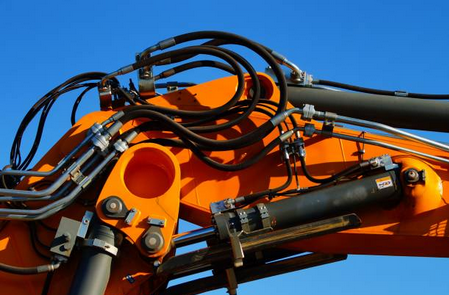
1. Basic Principle: Hydraulic systems in bucket trucks operate on Pascal’s principle - pressure applied at any point to a confined fluid is transmitted undiminished throughout the fluid.
2. Components: The core components include a hydraulic pump, reservoir, valves, hoses, and cylinders. The pump moves hydraulic fluid from the reservoir through hoses to the cylinders, transforming hydraulic energy into mechanical energy.
3. Pressure and Flow: The pump generates pressure, forcing the fluid to flow through the system. This pressure moves pistons inside the cylinders, creating the movement needed to extend or retract the boom.
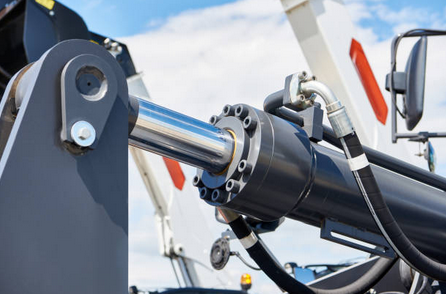
4. Control and Precision: Operators control the movement of the boom using valves. These valves regulate the flow and direction of the hydraulic fluid, allowing for precise control of the bucket’s position.
5. Safety and Power: Hydraulics provide a balance of strength and control. The system can lift heavy loads with stability, essential for the safe operation of bucket trucks.
6. Maintenance: Regular maintenance of the hydraulic system is crucial. This includes checking for leaks, maintaining fluid levels, and replacing worn hoses and seals.
The hydraulics system in a bucket truck is a marvel of engineering, combining principles of physics with mechanical design to perform demanding tasks with ease and precision.
Optimize Your Hydraulics with Parts from Apex Utility Parts.
A well-maintained hydraulic system is key to the efficient operation of your bucket truck. At Apex Utility Parts, we offer a wide range of hydraulic components, from pumps and valves to hoses and cylinders. Our quality parts ensure your bucket truck operates smoothly and safely, reducing downtime and increasing productivity. Visit www.ApexUtilityParts.com to find the best hydraulic parts for your bucket truck.